
Magic Research
MaticolottoSimulation
4.7385.00 Reviews
- Version
- 1.15.12
- Installs
- 100.00K
- Age Rating
- Everyone
Screenshots
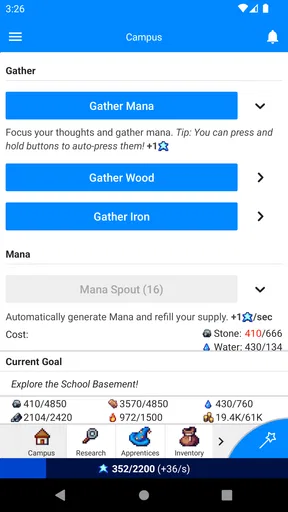
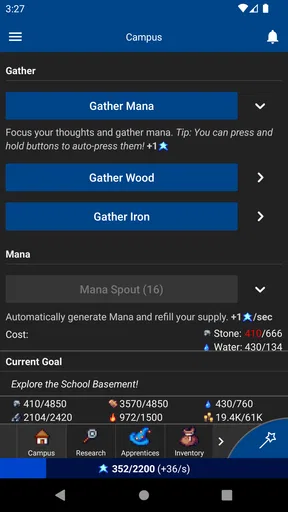




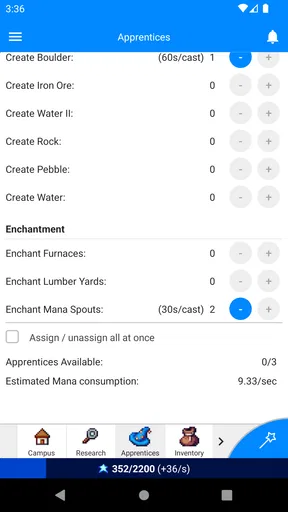
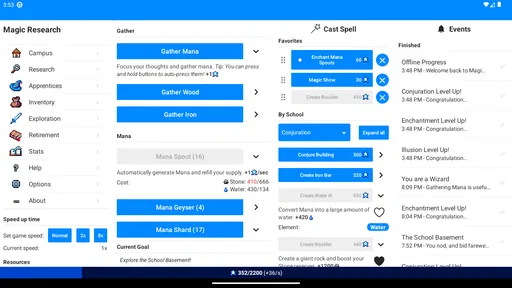
Our Review of Magic Research
 Analysis by Appyee
Before you begin, it helps to know that Magic Research is an incremental simulation game, not a reference guide to real-world spells. I found its appeal in the gradual work of building a magical school and deciding how to develop it, rather than in collecting isolated facts. If you enjoy watching a project grow through small choices and returning to see what has changed, the premise is easy to settle into. If you want a fast-paced action game or a linear story that moves at a fixed speed, this is a less natural fit.
What to expect from the game
The first thing I would set expectations around is the pace. Incremental games are built around repeated progress, and the satisfaction comes from making sensible decisions over time, not from a constant stream of dramatic events. The magical-school setting gives those choices a distinctive theme, but it does not turn every moment into spell-slinging action. I would approach it as a game to check in on, consider your next move, and let its systems gradually open up.
That makes it a useful choice for short breaks: you can play when you have a few minutes, then return later without needing to block out a long session. It also suits players who like working out which upgrade or direction is likely to help most. The trade-off is that anyone who needs immediate action or a clear endpoint in every sitting may find the steady rhythm too restrained.
On mobile, the usual alternatives include idle games that emphasize automatic accumulation and simulations that ask for frequent hands-on management. This one sits closer to the thoughtful, incremental side: the pleasure is in guiding a magical institution forward, rather than simply watching numbers rise or managing a realistic business. That distinction is helpful when choosing it. If you want a fantasy-flavored progression game, the premise has a clear draw; if you want a detailed school-building sandbox with lots of visual construction, do not assume the theme means that is the focus.
Making a comfortable first start
My advice for a first session is to resist trying to understand every option at once. Follow the opening guidance, read the labels on the choices in front of you, and make one decision at a time. In an incremental game, early progress can make several options look equally tempting, but committing to one understandable next step is less confusing than tapping around at random and then trying to work out what caused a change.
A simple routine helps: begin a session by checking what has changed, decide what you want to improve next, and then make a small number of purposeful choices. Before leaving, take a moment to note what you were aiming for. That is especially handy if you play in brief bursts, because it gives you a natural place to resume instead of reopening the game and feeling as though you need to rethink everything.
You do not need to treat the first run as a test you can fail. The more useful goal is to learn how the game communicates progress and what kind of decisions it asks you to make. If a result is not what you expected, use it as a clue about how the systems relate rather than as a reason to restart immediately. This low-pressure approach makes the first meaningful improvement feel earned without turning the opening into homework.
Finding the first satisfying milestone
A realistic way to fit the game into an ordinary day is to check in during a quiet moment, such as a break between tasks. I would use that visit to look for the most obvious bottleneck in the school’s development, choose an action that addresses it, and then put the phone away. Later, I would return to see whether that decision helped and adjust the next step. The point is not to keep the game open all day; it is to make each visit answer a small question.
This approach also guards against a common incremental-game trap: chasing every appealing upgrade simply because it is available. A choice is more useful when you can say what you expect it to improve. If you cannot tell whether an option supports your current goal, pause and compare it with the alternatives rather than spending effort on the most eye-catching choice. Thinking in terms of a short plan makes progress easier to understand and gives the game more of a strategy feel.
For a first success, I would define success as reaching a point where you can explain why your latest decision mattered—not as reaching a particular number or rushing through the opening. Once you recognize which actions move your school forward, the loop becomes more satisfying: check, choose, observe, and refine. That small moment of understanding is a better sign that the game suits you than simply tapping through the tutorial.
Where new players can get turned around
The main source of friction is the genre itself. Incremental games can make progress feel gradual, and a player coming from action-heavy mobile games may wonder whether a session is doing enough. My tip is to judge the experience across several check-ins rather than expecting every visit to produce a dramatic change. If you prefer a game that rewards quick reflexes or gives you a complete story beat every time you open it, that slower feedback may remain a drawback rather than something you grow to enjoy.
Another point to watch is the temptation to tap without reading. In a game built around progression choices, moving quickly can leave you unsure which decision produced a result. I found it more useful to slow down long enough to connect an action with its outcome. That is not a complicated strategy, but it makes the systems easier to learn and helps keep a short session from becoming aimless.
It is also worth separating the title from the kind of magical content some players might expect. The game’s central idea is leading a magical school through incremental simulation, not browsing an encyclopedia of folklore or practicing real spells. If you came looking for educational reference material, a dedicated book or learning app would be a better match. If the idea of managing fantasy-themed progress is what caught your eye, you are closer to its intended appeal.
Who will enjoy its rhythm—and who may not
I would recommend it most to people who enjoy patient progression, light planning, and games that can be revisited in short sessions. It can work well as a low-pressure companion during a commute or a pause in the day, provided you are comfortable with a game whose rewards develop gradually. The fantasy setting adds personality to the simulation, while the incremental structure gives you a reason to return and make another considered choice.
I would skip it if you want constant motion, a highly visual building experience, or a game that explains every system in exhaustive detail before asking you to act. Players who dislike waiting between meaningful decisions may also be happier with a more active simulation. These are preference differences, not flaws that every player will experience, but they matter more than the magical theme when deciding whether to install it.
The game is made by Maticolotto and is rated Everyone, so its broad age label may make it approachable for a range of players. It costs $3.99, which means I would decide based on whether you genuinely like incremental games rather than treating it as a free experiment. The rating averages 4.7 from around two thousand ratings, and it has passed one hundred thousand installs; those figures suggest a healthy audience, but they cannot tell you whether its measured pace is your kind of fun.
Getting Started with Magic Research
The first thing you'll notice about Magic Research is its sleek and inviting interface. It's like stepping into a magical library, with a wealth of knowledge right at your fingertips. The app is available for both Android and iOS, so no matter what device you’re using, you’re all set to explore this magical world.
Once you launch the app, you’re greeted with an intuitive tutorial that guides you through the basics. It’s pretty straightforward, but if you’re like me and love to click around, you’ll quickly find yourself diving into the deeper aspects of the app. The tutorial is great for newcomers, ensuring that you don’t feel lost in the vast sea of magical content available.
The Magical Content
The core of Magic Research is its expansive library of spells, potions, and magical creatures. The app boasts an impressive collection of information that would make any budding magician giddy with excitement. Whether you’re looking to learn about the history of magic, study ancient spells, or concoct your own potions, this app has you covered.
One of the standout features is the interactive spellbook. You can explore different spells, learn their incantations, and even practice them using the app’s interactive elements. It’s like having your very own personal Hogwarts right on your phone! Plus, the app regularly updates with new content, so there's always something fresh to discover.
Interactive Learning Experience
Magic Research doesn’t just throw information at you; it engages you in an interactive learning experience. The quizzes and challenges are a fantastic way to test your magical knowledge and ensure you’re absorbing all the wondrous facts the app has to offer. And trust me, nothing beats the satisfaction of acing a quiz on mythical creatures!
The app also features an engaging community section where you can connect with fellow magic enthusiasts. It’s a great place to share tips, discuss your favorite spells, and even participate in community challenges. The social aspect really adds a nice touch, making the experience feel more connected and lively.
Design and Usability
Let’s talk about the design. The developers have done a fantastic job creating a visually stunning app. The graphics are top-notch, and the animations are smooth, providing an immersive experience that draws you in. Navigating through the app is a breeze, thanks to its well-organized layout and responsive design.
When it comes to usability, Magic Research shines. It runs smoothly on both Android and iOS devices, and I didn’t encounter any bugs or crashes during my time with it. The developers clearly prioritized a seamless user experience, which I truly appreciate.
Final Thoughts
So, is Magic Research worth your time? Absolutely! Whether you’re a seasoned magic aficionado or a curious newcomer, this app offers a delightful and educational adventure into the world of magic. With its engaging content, interactive elements, and vibrant community, it’s more than just an app—it’s a magical journey.
Ready to start your magical adventure? You can download the app from the respective stores and immerse yourself in the enchanting world of Magic Research. Trust me, once you start, you won’t want to stop. Happy spellcasting!
A final note before you install
The game is listed as version 1.15.12, with a minimum Android requirement of 5.0, and its release date is January 25, 2023. If you are choosing between the mobile and iOS editions, the most useful question is not which platform is better in theory, but where you are more likely to enjoy short, deliberate check-ins. The same patient style that makes the game easy to fit around a busy day can feel slow if you expect every session to deliver a major payoff.
There are 385 written reviews alongside its overall rating, which gives prospective players more than a bare popularity signal to consider. I would still read comments with your own preferences in mind: praise for long-term progression matters most if you like gradual games, while complaints about pace may be a fair warning if you want immediate action. For me, the best reason to try it is the specific combination of magical-school management and incremental decision-making—not a promise that it will suit every mobile player.
Verdict
Strengths of Magic Research
- Intuitive user interface for easy navigation.
- Wide range of spells and magical themes.
- Regular updates with new features.
- Offline mode available for uninterrupted play.
- Engaging storyline with multiple endings.
Limitations of Magic Research
- In-app purchases can be quite expensive.
- Some features require a constant internet connection.
- Occasional bugs in older devices.
- Limited character customization options.
- Tutorials can be lengthy for beginners.
Other Releases by Maticolotto
View All
Magic Research 2
Simulation4.8
Similar Picks in This Category
View All
Truckers of Europe 3
Wanda Software4.3

Town Building Life Simulator
XGame Global4.2

Fidget Toys Trading・Pop It 3D
Freeplay Inc4.7

Sculpt People
CrazyLabs LTD4.4

Scary Teacher 3D
Z & K Games4.2

Hair Tattoo: Barber Shop Game
CASUAL AZUR GAMES4.3
Frequently Asked Questions
What is the main objective of Magic Research?
Magic Research is a strategy and simulation game where players dive into the enchanting world of magic and academia. The primary objective is to build and manage a magical institution, conduct various research projects, and unlock powerful spells and abilities to advance through the game. Players must strategize to balance resources and expand their magical prowess.
Is Magic Research available on both Android and iOS platforms?
Yes, Magic Research is available for both Android and iOS devices. The developers have optimized the game to ensure a smooth experience across different platforms. You can easily find it on the Google Play Store for Android devices and the App Store for iOS devices, making it accessible to a wide range of users.
Does Magic Research require an internet connection to play?
Magic Research primarily functions as an offline game, allowing players to enjoy the game without a constant internet connection. However, certain features, such as updates and some in-game purchases, may require connectivity. It’s designed to be flexible, catering to both online and offline players.
Are there any in-app purchases in Magic Research?
Yes, Magic Research includes in-app purchases that enhance the gaming experience. While the game itself can be enjoyed for free, these purchases offer additional resources, faster progression, and exclusive items. Players can choose to buy these enhancements to tailor their experience, but they are not necessary to enjoy the core gameplay.
How does Magic Research handle player progress and data?
Magic Research uses a robust save system to ensure player progress is stored securely. On compatible devices, it may also support cloud saving, allowing players to transfer their progress between devices seamlessly. The game emphasizes data protection, ensuring player information is handled with care and privacy.
Play our best games!


